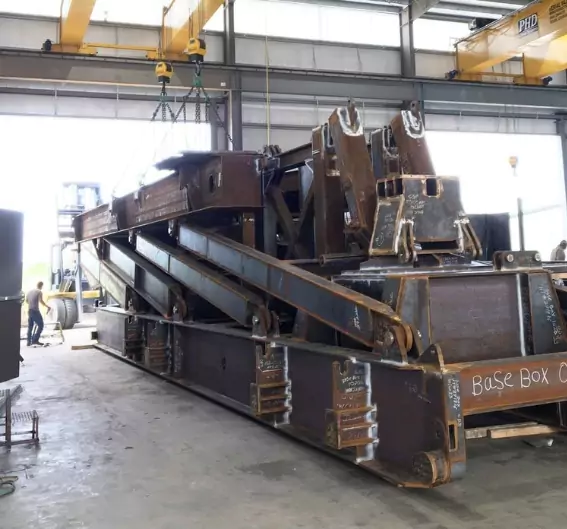
In modern construction and industrial engineering, structural stability begins at the foundation level. No matter how advanced a building or machine design may be, its performance and safety depend heavily on how securely it is anchored to the ground. This is where Foundation Bolts play a crucial role. Reputed manufacturers such as E.S HAJI & CO. have been instrumental in supplying high-quality foundation fastening solutions that meet the demands of infrastructure, industrial plants and heavy machinery installations. Foundation bolts are engineered components designed to connect structural and mechanical elements firmly to concrete foundations, ensuring long-term stability and load resistance.
Understanding Foundation Bolts
Foundation bolts are specialized fasteners embedded into concrete foundations to secure structures, equipment, or machinery. Unlike standard bolts, they are designed to withstand heavy loads, vibration, dynamic forces, and environmental stress. These bolts are typically installed during the concrete pouring stage or fixed later using anchoring techniques, depending on project requirements.
Their primary function is to transfer loads from the structure or machine into the foundation, preventing movement, uplift, or misalignment. This makes them essential in both civil construction and industrial applications where safety and precision are critical.
Why Foundation Bolts Are Essential in Construction
Every structure experiences forces such as wind load, seismic activity, vibration, and operational stress. Foundation bolts help counteract these forces by anchoring the structure securely to its base. Without proper anchoring, buildings and equipment may shift, crack, or even fail over time.
In construction projects, foundation bolts ensure that columns, beams, and frames remain aligned and stable throughout the life of the structure. They also play a vital role in maintaining dimensional accuracy during installation, which is essential for large-scale and high-rise developments.
Regional Demand and Market Growth
Rapid urbanization and industrial growth have increased the demand for reliable anchoring solutions across India. Cities with strong construction and manufacturing activity require consistent supply of high-quality foundation bolts.
In southern India, especially in industrial hubs, Foundation Bolts Chennai suppliers play a key role in supporting infrastructure development, power projects, and heavy engineering industries. The region’s demand reflects the growing importance of precision fastening solutions in modern construction.
Types of Foundation Bolts and Their Uses
Foundation bolts come in various designs to suit different applications. Each type serves a specific purpose based on load requirements, installation method, and structural design.
L-Type Foundation Bolts
These bolts are shaped like the letter “L” and are commonly used in light to medium construction projects. The bent end provides anchorage within the concrete, making them suitable for columns, steel structures, and base plates.
J-Type Foundation Bolts
J-type bolts feature a hook-shaped end that offers enhanced pull-out resistance. They are widely used in industrial buildings, transmission towers, and heavy structural frameworks.
U-Type Foundation Bolts
U-bolts are primarily used for securing pipes, poles, and cylindrical objects to concrete foundations. They are common in utilities, pipelines, and electrical installations.
Straight Foundation Bolts
These bolts rely on nuts, washers, or anchoring systems for secure placement. They are often used where precise alignment is required, such as machinery bases and precision equipment installations.
Rag Bolts
Rag bolts have a tapered or serrated end that grips the concrete tightly. They are traditionally used in masonry and stone foundations, particularly in older construction styles.
Applications of Foundation Bolts in Infrastructure
Foundation bolts are indispensable in infrastructure projects. Bridges, flyovers, metro systems, and highways rely on these bolts to anchor steel components securely to concrete foundations. They help resist dynamic loads caused by traffic movement, wind, and seismic activity.
In large public infrastructure projects, foundation bolts ensure long-term durability and safety. Proper selection and installation of bolts significantly reduce maintenance costs and structural risks over time.
Role of Foundation Bolts in Industrial Installations
Industrial environments place unique demands on anchoring systems. Heavy machinery such as turbines, compressors, generators, conveyors, and presses produce constant vibration and dynamic loads. Foundation bolts are used to anchor this equipment securely, preventing movement and misalignment.
Accurate positioning of foundation bolts is critical in industrial setups, as even minor deviations can affect machine performance and efficiency. High-quality bolts help maintain operational stability, reduce wear and tear, and enhance workplace safety.
Importance in Power and Energy Projects
Power plants, including thermal, hydro, and renewable energy facilities, depend heavily on foundation bolts. Equipment such as boilers, transformers, turbines, and support structures must be firmly anchored to withstand operational stress and environmental conditions.
In wind energy projects, foundation bolts are used to secure wind turbine towers to massive concrete foundations. These bolts must handle extreme wind loads, temperature variations, and long-term fatigue, making quality and precision essential.
Foundation Bolts in Pre-Engineered Buildings
Pre-engineered buildings (PEBs) rely on accurate and strong foundation anchoring systems. Foundation bolts ensure proper alignment of steel columns and frames during erection. They help maintain the structural integrity of warehouses, factories, logistics centers, and commercial buildings.
In PEB construction, foundation bolts are often custom-designed to match structural drawings, ensuring seamless installation and load distribution.
Material Selection and Manufacturing Standards
Foundation bolts are typically manufactured from carbon steel, alloy steel, or stainless steel, depending on application requirements. Factors such as load capacity, corrosion resistance, and environmental exposure influence material selection.
High-quality manufacturing processes include forging, threading, heat treatment, and surface coating. Protective finishes such as galvanizing or epoxy coating enhance corrosion resistance, especially in coastal or industrial environments.
Quality and Precision in Installation
The effectiveness of foundation bolts depends not only on their design but also on accurate installation. Improper placement can lead to alignment issues, reduced load capacity, and structural weakness.
Modern construction practices use templates and surveying equipment to ensure precise positioning. After concrete curing, bolts are inspected and tested to confirm proper anchorage and load-bearing capacity.
Benefits of Using High-Quality Foundation Bolts
Using high-quality foundation bolts offers several long-term advantages:
- Enhanced structural stability
- Improved safety and load resistance
- Reduced maintenance and repair costs
- Better performance of machinery and structures
- Longer service life of installations
Investing in reliable foundation bolts is a cost-effective decision that contributes to overall project success.
Common Mistakes to Avoid
Some common issues related to foundation bolts include incorrect sizing, poor material selection, improper placement, and inadequate corrosion protection. These mistakes can compromise structural integrity and lead to costly repairs. Working with experienced manufacturers and suppliers ensures compliance with design specifications and industry standards, reducing the risk of failure.
Future Trends in Foundation Bolts
As construction and industrial projects become more complex, foundation bolt designs are evolving. Advanced materials, improved coatings, and higher load capacities are being developed to meet modern engineering demands.
Digital design tools and precision manufacturing techniques are also improving customization and installation accuracy, making foundation bolts more reliable than ever before.
Foundation bolts are a fundamental yet often overlooked component in construction and industrial engineering. They play a critical role in anchoring structures and machinery, ensuring stability, safety, and long-term performance. From infrastructure and power projects to industrial plants and pre-engineered buildings, foundation bolts provide the essential connection between structures and their foundations.