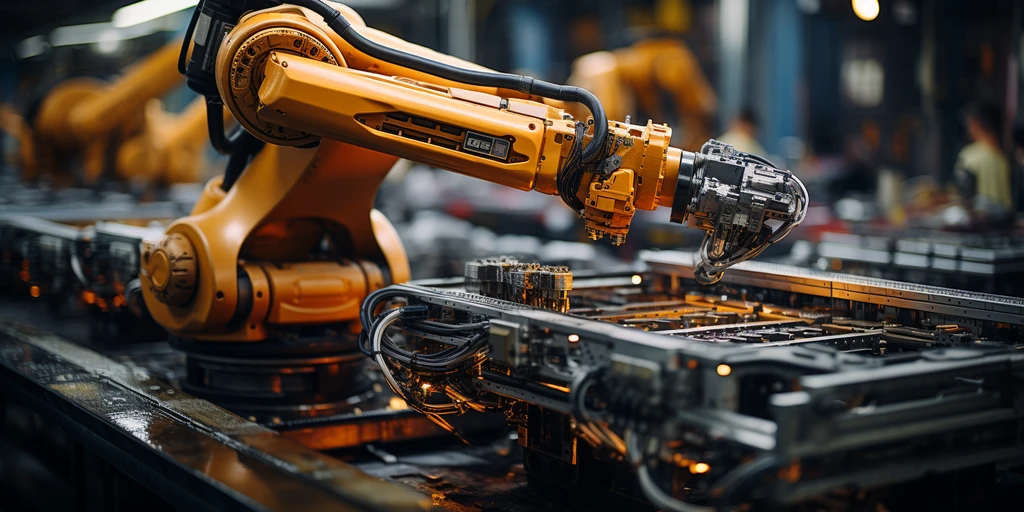
The industrial sector, often considered the backbone of economic development, encompasses a broad range of activities that involve the transformation of raw materials into finished products through manufacturing, construction, and other production processes. This sector plays a critical role in driving economic growth, creating jobs, and fostering technological innovation. In this comprehensive post, we will explore the key components of the industrial sector, its significance, challenges, and emerging trends shaping its future.
Key Components of the Industrial Sector
- Manufacturing:
- Definition: Manufacturing involves the production of goods through the processing of raw materials. This includes activities such as assembling, machining, and fabricating products in various industries, including automotive, aerospace, electronics, and textiles.
- Types: Manufacturing can be categorized into several types, including:
- Discrete Manufacturing: Producing distinct items like automobiles or electronics.
- Process Manufacturing: Creating products through chemical, physical, or mechanical processes, such as in food and beverage or pharmaceutical industries.
- Job Shop Manufacturing: Producing custom or small-batch products based on specific customer requirements.
- Construction:
- Definition: Construction involves the building of infrastructure, including residential, commercial, and industrial structures. It encompasses activities such as site preparation, foundation work, structural building, and finishing.
- Types: Construction can be broadly categorized into:
- Residential Construction: Building homes, apartments, and other living spaces.
- Commercial Construction: Developing office buildings, shopping centers, and other commercial properties.
- Industrial Construction: Constructing factories, warehouses, and production facilities.
- Energy Production:
- Definition: Energy production involves generating and supplying energy resources required for industrial operations and everyday life. This includes the production of electricity, gas, and renewable energy sources.
- Types: Energy production can be categorized into:
- Fossil Fuels: Extracting and processing coal, oil, and natural gas.
- Renewable Energy: Harnessing solar, wind, hydro, and geothermal energy.
- Nuclear Energy: Producing electricity through nuclear fission.
- Utilities and Infrastructure:
- Definition: Utilities and infrastructure provide essential services that support industrial and residential needs. This includes water supply, sewage treatment, transportation networks, and telecommunication systems.
- Components: Key components of infrastructure include:
- Transportation Networks: Roads, railways, ports, and airports that facilitate the movement of goods and people.
- Water and Sewage Systems: Managing water supply, wastewater treatment, and sanitation.
- Telecommunications: Providing connectivity through phone, internet, and data services.
Significance of the Industrial Sector
- Economic Growth:
- Contribution to GDP: The industrial sector significantly contributes to a country’s Gross Domestic Product (GDP) by producing goods and services that drive economic activity. This includes both value-added activities and the export of manufactured products.
- Job Creation: The sector creates employment opportunities across various skill levels, from manual labor to technical and managerial positions. It plays a crucial role in reducing unemployment and improving living standards.
- Technological Innovation:
- Advancements: The industrial sector is a major driver of technological advancements and innovation. Investments in research and development lead to new manufacturing techniques, improved product designs, and enhanced production processes.
- Industry 4.0: The rise of Industry 4.0, characterized by smart factories, automation, and data analytics, represents a significant leap in technological capabilities. This includes the integration of the Internet of Things (IoT), artificial intelligence (AI), and robotics into manufacturing processes.
- Infrastructure Development:
- Support for Other Sectors: A strong industrial sector supports other economic sectors by providing essential infrastructure and services. For example, industrial construction projects contribute to the development of transportation networks and utilities.
- Urbanization: Industrial growth often leads to urbanization, with the development of cities and towns around industrial hubs. This drives economic activity and creates new opportunities for businesses and residents.
- Trade and Globalization:
- Exports: The industrial sector plays a key role in international trade by exporting manufactured goods and products. This contributes to a country’s trade balance and fosters economic relationships with global partners.
- Global Supply Chains: Globalization has led to the creation of complex supply chains, with industrial activities spread across multiple countries. This allows for cost-effective production and access to diverse markets.
Challenges in the Industrial Sector
- Supply Chain Disruptions:
- Global Dependencies: The industrial sector relies on global supply chains for raw materials, components, and finished goods. Disruptions, such as natural disasters, geopolitical events, or pandemics, can impact production and lead to shortages.
- Resilience Building: Building resilient supply chains involves diversifying suppliers, improving inventory management, and implementing contingency plans to mitigate the impact of disruptions.
- Environmental Impact:
- Pollution and Waste: Industrial activities can generate pollution, including air and water emissions, and produce waste that needs to be managed. Addressing environmental impact requires implementing sustainable practices and regulatory compliance.
- Sustainability Initiatives: The shift towards sustainability involves adopting eco-friendly technologies, reducing energy consumption, and minimizing waste through recycling and circular economy practices.
- Regulatory Compliance:
- Health and Safety: Ensuring compliance with health and safety regulations is essential to protect workers and prevent accidents. This includes adhering to standards for workplace safety, equipment maintenance, and employee training.
- Environmental Regulations: Compliance with environmental regulations, such as emissions limits and waste management, is crucial for reducing the sector’s environmental footprint and avoiding legal penalties.
- Technological Integration:
- Skill Gaps: The adoption of advanced technologies, such as automation and data analytics, requires a skilled workforce. Addressing skill gaps through training and education is essential for maximizing the benefits of technological advancements.
- Cybersecurity: As industrial systems become increasingly connected, cybersecurity threats pose risks to data integrity and operational continuity. Implementing robust cybersecurity measures is vital for protecting industrial assets.
Emerging Trends in the Industrial Sector
- Industry 4.0:
- Smart Factories: Industry 4.0 represents the integration of digital technologies into manufacturing processes. Smart factories utilize sensors, IoT devices, and data analytics to optimize production, improve quality, and reduce costs.
- Automation and Robotics: Automation and robotics enhance manufacturing efficiency and precision. Advanced robots perform repetitive tasks, while automation systems streamline processes and improve safety.
- Sustainability and Green Manufacturing:
- Energy Efficiency: Sustainable practices in manufacturing focus on energy efficiency, reducing carbon footprints, and utilizing renewable energy sources. Green manufacturing aims to minimize environmental impact while maintaining productivity.
- Circular Economy: The circular economy model promotes recycling, reuse, and remanufacturing to extend the lifecycle of products and reduce waste. Businesses are increasingly adopting circular practices to achieve sustainability goals.
- Advanced Materials and Additive Manufacturing:
- Innovative Materials: Advances in material science lead to the development of new materials with enhanced properties, such as strength, durability, and lightweight characteristics. These materials are used in various industries, including aerospace and automotive.
- 3D Printing: Additive manufacturing, or 3D printing, allows for the creation of complex parts and prototypes with high precision. This technology enables rapid prototyping, customization, and reduces material waste.
- Digital Transformation:
- Data Analytics: The use of big data and analytics provides valuable insights into manufacturing operations, enabling better decision-making and process optimization. Predictive analytics helps anticipate maintenance needs and improve efficiency.
- Cloud Computing: Cloud computing facilitates the storage and processing of large volumes of data, enabling remote access and collaboration. It supports real-time monitoring and integration of industrial systems.
Conclusion
The industrial sector is a vital component of economic development, driving innovation, creating jobs, and supporting infrastructure growth. From manufacturing and construction to energy production and utilities, the sector encompasses a wide range of activities that contribute to overall economic progress. While challenges such as supply chain disruptions, environmental impact, and regulatory compliance need to be addressed, emerging trends in Industry 4.0, sustainability, and digital transformation offer exciting opportunities for growth and improvement. As the industrial sector continues to evolve, embracing technological advancements and sustainable practices will be key to achieving long-term success and resilience in a rapidly changing world.